blog
B2B Content Marketing Examples That Help Generate Quality Leads
Today, B2B buyers do more research before they buy anything. They read blogs, compare products, watch videos, and look for trusted brands online. Because of this, content marketing has become an important part of B2B marketing. It helps businesses share useful information, answer customer questions, and build trust over time.
Unlike B2C marketing, B2B marketing focuses more on solving problems and helping buyers make smart decisions. The buying process is also longer and often includes many decision-makers. This is why businesses need helpful and consistent content at every stage.
According to the Content Marketing Institute, 87% of B2B marketers say content marketing helps increase brand awareness and trust. Good content can also bring better leads and stronger customer relationships.
Here are 10 b2b content marketing strategy example campaigns that consistently get it right
Criteria for Selecting Good B2B Content Marketing Examples
1. Content Written by Industry Experts
B2B content becomes more trustworthy when it is written by someone with real industry knowledge and experience. Expert-led content often includes practical advice, real examples, and deeper insights that readers find useful.
According to Edelman, reports that 71% of decision-makers trust companies more when they publish valuable thought leadership content.
2. Content That Follows SEO Best Practices
SEO helps B2B content reach the right audience through search engines. Well-optimized content with relevant keywords, headings, and useful information can generate long-term organic traffic.
Research shows that organic search drives more than 50% of website traffic for many B2B businesses, making SEO an essential part of content marketing success.
3. Content With a Unique Point of View
B2B content stands out when it shares original ideas and fresh perspectives instead of repeating common information. A unique point of view helps build trust and keeps readers engaged. In a crowded digital space, businesses that publish thoughtful and valuable insights are more likely to create stronger audience connections and long-term brand recognition.
From Criteria to Examples: How Top Brands Put This Into Practice
The three criteria above, expertise, SEO, and a unique point of view, aren’t just theoretical. They form the backbone of every successful B2B content marketing campaign. The brands that follow them consistently generate quality leads without aggressive selling.
What follows are 10 real-world examples of B2B companies that embody these principles. Each one educates first, sells second, and builds lasting trust along the way. Let’s start with a company that practically invented the playbook.
1. HubSpot: Inbound Marketing and SEO Excellence
Source: HubSpot
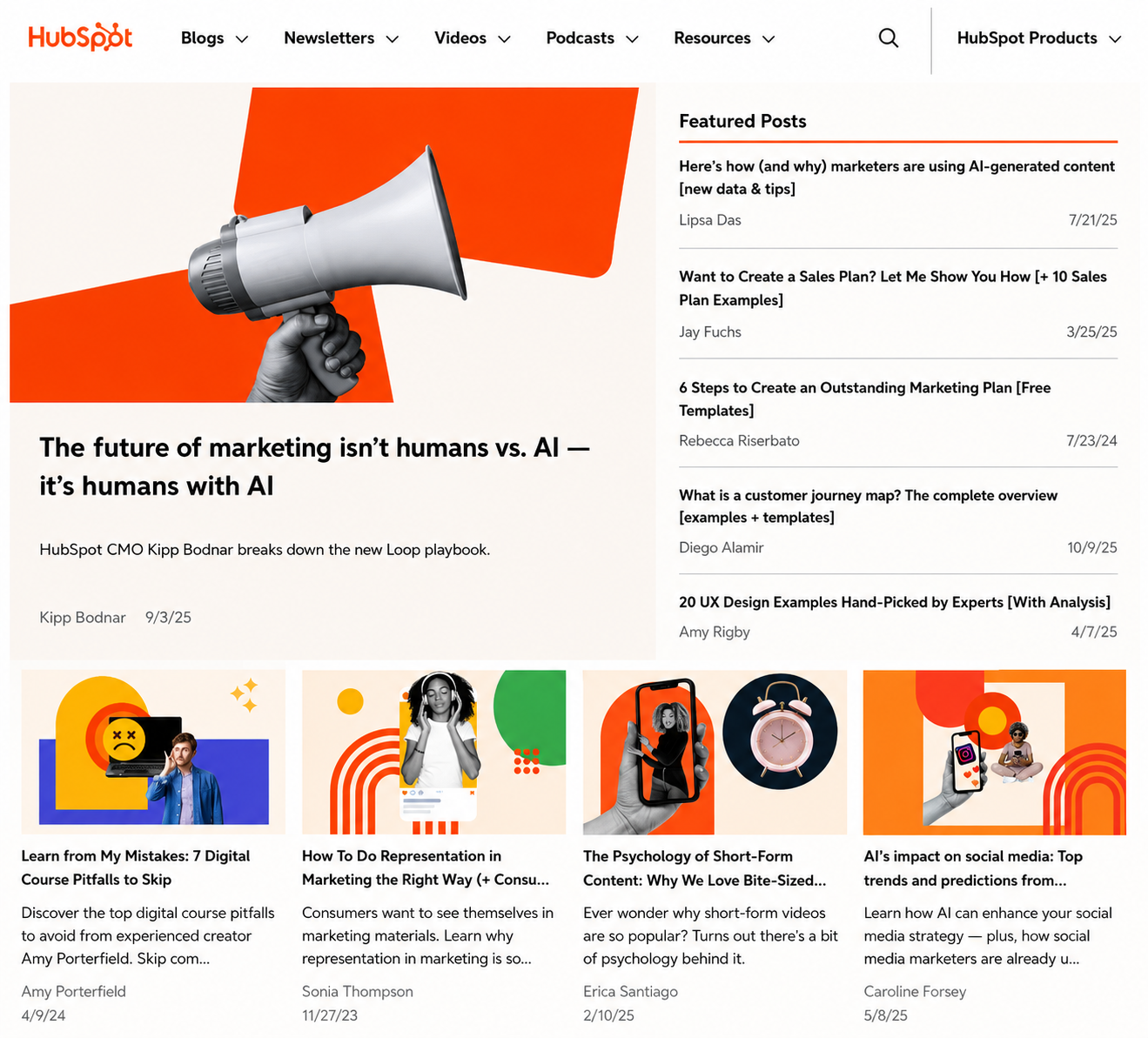
HubSpot is widely considered one of the best examples of B2B content marketing success. The company built its entire growth strategy around inbound marketing by creating educational and SEO-focused content for marketers, sales teams, and business owners.
HubSpot publishes thousands of blogs covering topics like SEO, lead generation, email marketing, content strategy, and customer relationship management. Instead of focusing heavily on promotions, the company solves practical business problems through easy-to-understand content.
It stands as a foundational b2b content marketing strategy example for companies trying to scale organic traffic. One major reason for HubSpot’s success is consistency. The company regularly updates content, targets high-intent keywords, and organizes blogs into topic clusters that improve search rankings.
HubSpot also offers:
- Free templates
- Marketing courses
- CRM tools
- Webinars
- Downloadable guides
These free resources help attract leads naturally.
According to Ahrefs, HubSpot receives millions of monthly organic visits from search engines. This proves how valuable SEO-driven educational content can become over time. The brand has positioned itself as a trusted authority by focusing on helpful information instead of aggressive selling.
2. Ahrefs: The Generous Teacher and Product-Led Content
Source: Ahrefs
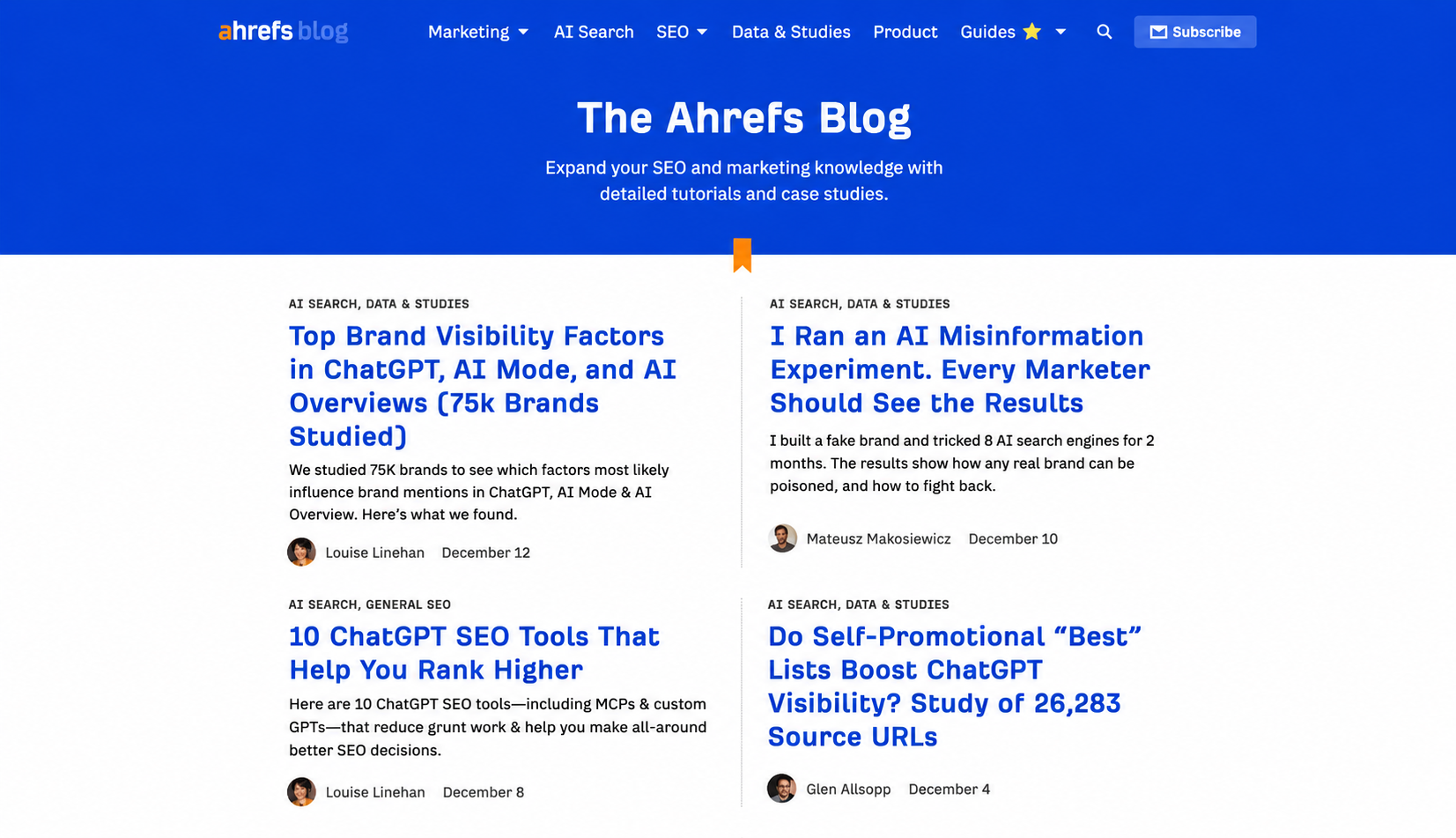
If you ask B2B marketers to name a brand that does content marketing exceptionally well, Ahrefs will almost always top the list. Operating in a brutally competitive space with dozens of legacy giants, this fully bootstrapped SaaS company has scaled to over $100 million in Annual Recurring Revenue (ARR) without a traditional aggressive sales team. Instead, they stand out by doing something remarkably simple: they teach their craft openly and transparently.
Ahrefs features an extensive collection of highly useful and research-oriented blog posts, academy courses, and YouTube videos. All of their lessons are based on solving actual business problems, such as keyword research, tracking search rankings, and fixing broken website links.
The core of Ahrefs’ success is a strategy called product-led content. Instead of trying to sell you the software through aggressive pop-ups or sales pitches, they show you exactly how to solve your problems using the Ahrefs tool right in front of you on screen.
They also build trust by publishing massive, proprietary data studies that become the industry standard.
For instance, their famous study revealing that 96.55% of all web pages get zero organic traffic from Google is cited by thousands of other blogs, earning them an elite backlink profile.
It is a perfect example of how teaching your audience and sharing original data can naturally drive software sales.
Ahrefs’ content strategy includes:
- Deep-dive keyword tutorials
- Original, data-driven industry studies
- Ahrefs
- Step-by-step video walk-throughs
- Free beginner SEO academy courses
- Ahrefs
- Actionable, tool-focused case studies
This approach creates immense trust with the audience. When a brand provides such top-notch, high-level strategies completely for free, readers quickly begin to view them as the ultimate authority in their space.
By treating their content like a free workshop rather than a digital brochure, Ahrefs makes it incredibly easy for users to transition from casual readers into paying customers when they are ready to scale their marketing.
3. Salesforce: Webinar and Video Marketing Success
Salesforce has built a strong B2B content strategy around webinars, video content, customer stories, and live events. The company understands that many business topics are easier to explain through visual and interactive content.
Salesforce regularly publishes:
- Product walkthroughs
- Industry interviews
- Educational webinars
- Customer success stories
- AI and automation insights
This content helps businesses understand how CRM technology improves sales and customer relationships.
Video content continues growing rapidly in B2B marketing. According to Wyzowl’s latest report, 91% of businesses now use video as a marketing tool because it improves engagement and conversion rates.
Salesforce also repurposes webinar content into blogs, YouTube clips, email campaigns, and social media posts. This allows the company to maximize content value across multiple platforms.
The company’s strategy shows that educational video content can simplify complex topics while building trust with potential buyers.
4. Semrush: SEO-Focused Content Hubs

Source: Semrush
Semrush is another excellent example of SEO-driven B2B content marketing. The company has created one of the largest digital marketing learning hubs online.
Semrush publishes highly detailed blogs about:
- Keyword research
- SEO audits
- Link building
- Content optimization
- PPC marketing
- Competitor analysis
Its content strategy works because the company targets high-intent search keywords that marketers and business owners actively search for online.
Semrush also uses content upgrades like:
- Free SEO tools
- Website audits
- Templates
- Ebooks
- Webinars
These resources help convert readers into leads.
Research from BrightEdge shows that organic search remains one of the biggest traffic sources around 53% for businesses. Semrush uses this opportunity by consistently publishing search-optimized content designed for long-term visibility.
The company proves that educational SEO content remains one of the strongest lead generation channels for B2B businesses.
5. Adobe: Creative Storytelling and Brand Education
Source: Adobe
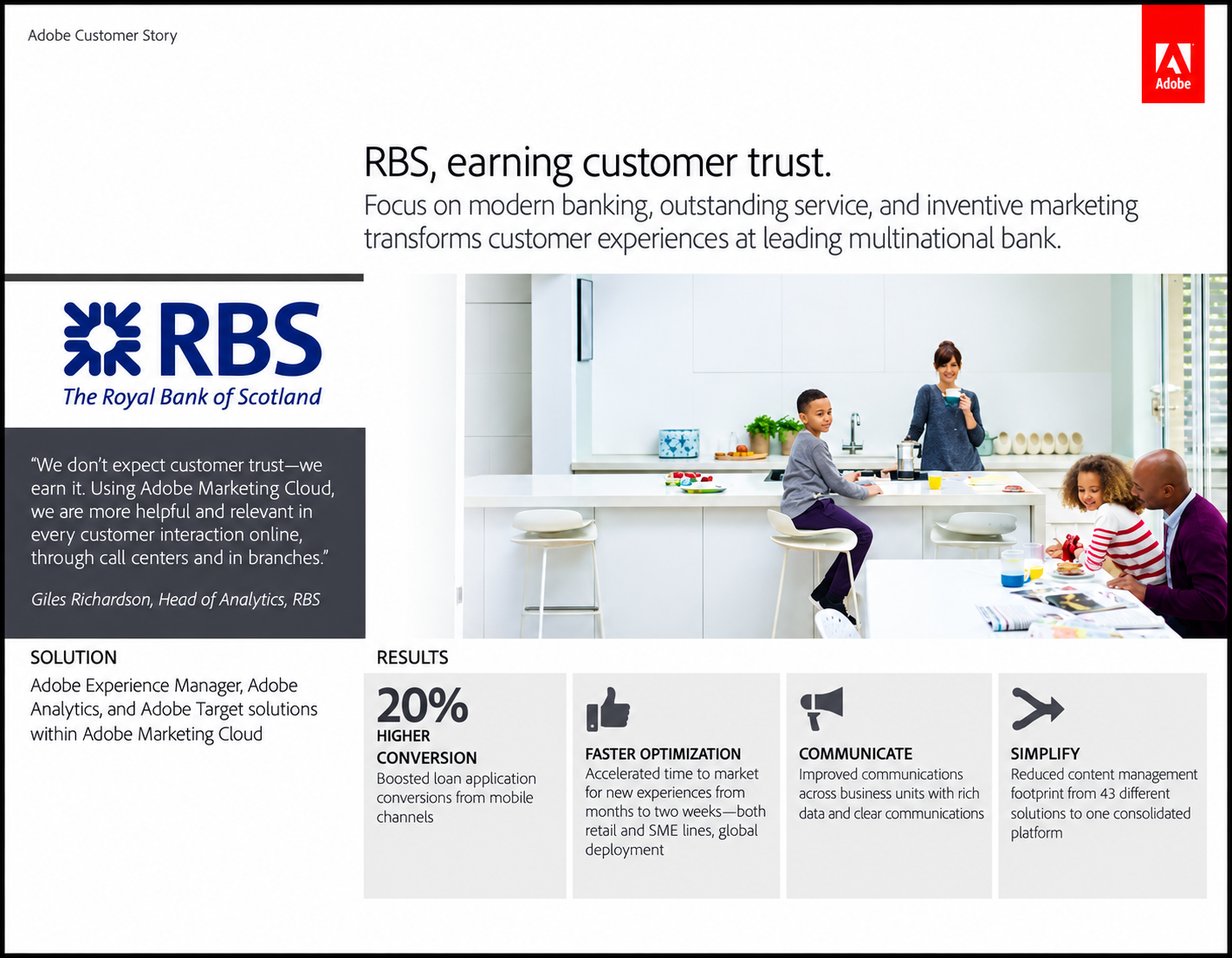
Adobe combines educational content with storytelling to connect with business audiences. Instead of publishing only technical content, Adobe focuses on creativity, customer success stories, and industry inspiration.
Adobe’s content strategy includes:
- Design tutorials
- Creative trend reports
- Video content
- Podcasts
- Customer case studies
- Interactive campaigns
The company also highlights how businesses use its tools in real situations. This makes the content more relatable and practical.
One major strength of Adobe’s strategy is personalization. Modern B2B buyers expect content that feels relevant to their challenges and industries. According to Salesforce research, 73% of customers expect companies to understand their unique needs and expectations.
Adobe’s storytelling approach helps humanize the brand while educating potential customers at the same time.
6. LinkedIn: Data-Driven Content and Community Building
Source: LinkedIn
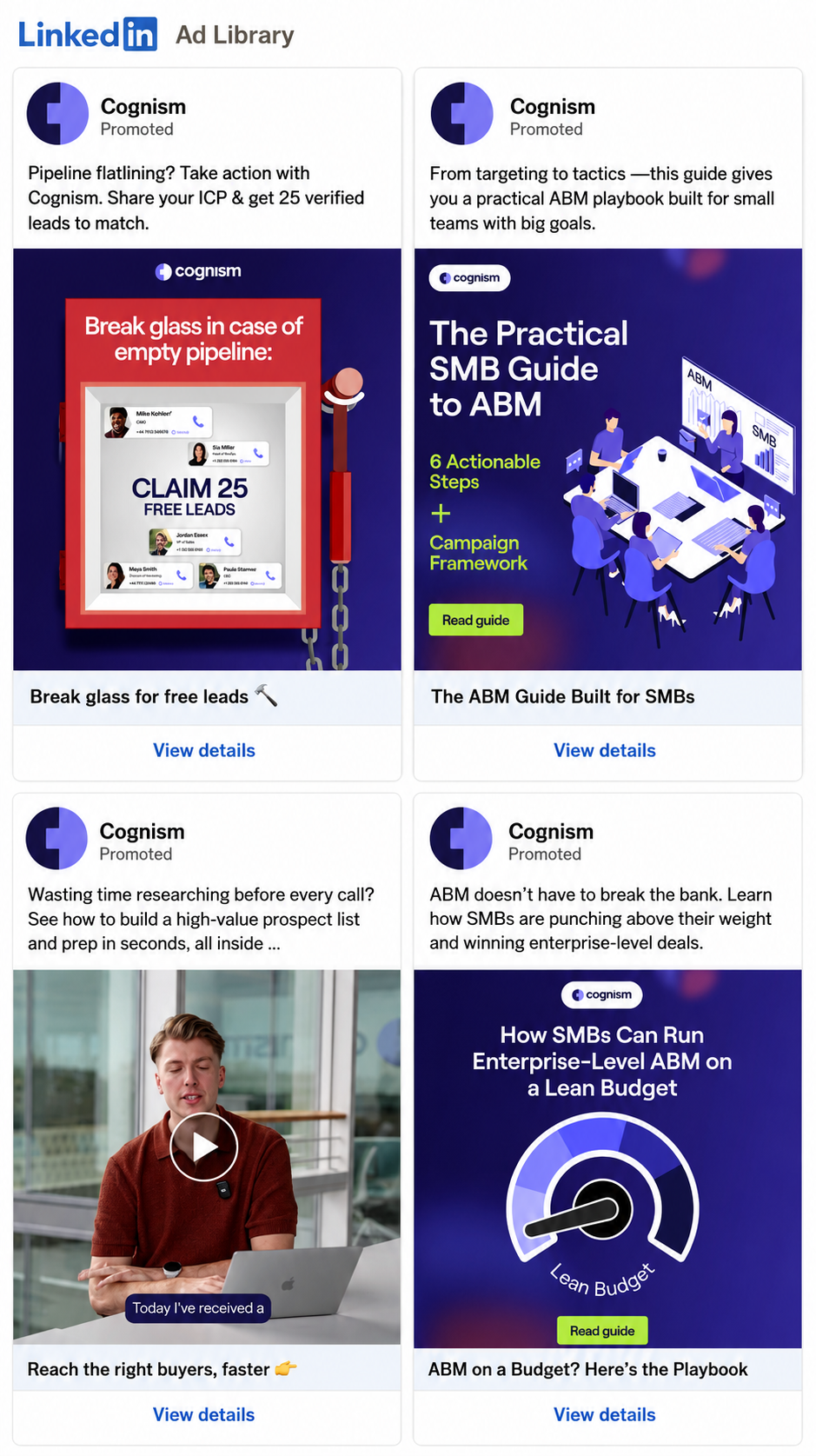
LinkedIn uses its own platform to create one of the strongest examples of B2B thought leadership content. The company publishes research reports, marketing insights, hiring trends, and professional development resources targeted at business professionals.
LinkedIn’s content performs well because it is highly data-driven. The platform regularly shares insights collected from millions of professional users worldwide.
Popular content formats include:
- Industry trend reports
- Hiring statistics
- Leadership advice
- Marketing insights
- Short educational posts
According to LinkedIn’s own research, 75% of B2B buyers use social media when making purchasing decisions.
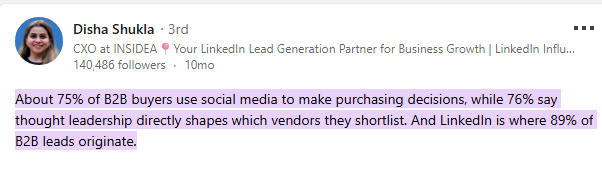
This explains why LinkedIn focuses heavily on educational and relationship-driven content instead of direct advertising. The company also encourages employee advocacy, which helps increase engagement and trust across professional audiences.
7. Canva: Educational Tutorials and User-Friendly Content
Canva has grown rapidly by creating beginner-friendly educational content. The company understands that many business users want simple solutions instead of technical explanations.
Canva publishes:
- Design tutorials
- Marketing tips
- Social media guides
- Branding advice
- Video tutorials
Its content strategy focuses on making design easier for non-designers.
This educational approach helps attract small businesses, marketers, and entrepreneurs searching for practical solutions online.
Canva also uses SEO effectively by targeting informational keywords related to design and marketing. Many users discover Canva through blog content before becoming customers.
The company’s success highlights an important lesson in B2B content marketing: simple and helpful content often performs better than overly technical information.
8. Slack: Customer Stories and Human-Centered Marketing
Slack focuses heavily on customer-driven storytelling. Instead of only discussing product features, the company shares how real teams use Slack to improve communication and collaboration.
Slack’s content includes:
- Customer interviews
- Productivity guides
- Workplace trends
- Team collaboration tips
- Remote work strategies
This strategy works because B2B buyers trust peer experiences more than promotional messaging.
Research from Gartner shows that modern B2B buyers spend significant time researching independently before contacting sales teams. Customer stories help reduce uncertainty during that process.
Slack’s conversational tone also makes its content more engaging and easier to understand. The company proves that human-centred storytelling can strengthen B2B marketing results.
9. Mailchimp – Content Personalization and Small Business Education
Mailchimp has built a strong content strategy by helping small businesses understand digital marketing. The company publishes easy-to-follow educational resources about:
- Email marketing
- Automation
- Branding
- Customer retention
- Analytics
Mailchimp’s content stands out because it avoids complicated language. The brand focuses on practical education that small business owners can apply quickly.
The company also personalizes content recommendations based on audience behavior and business needs.
HubSpot research states personalized marketing can significantly improve engagement and conversion rates. Mailchimp uses this strategy to nurture leads more effectively through helpful and targeted educational content.
Its success shows that simplicity and personalization can make B2B content more effective.
10. Gartner: Authority Through Industry Reports
Gartner is one of the strongest examples of authority-based B2B content marketing. The company publishes detailed reports, technology insights, market forecasts, and buyer behavior studies that businesses trust for decision-making.
One of Gartner’s most recognized content assets is the “Magic Quadrant” report, which evaluates technology providers across different industries.
These reports influence purchasing decisions because they provide:
- Independent analysis
- Market comparisons
- Industry trends
- Strategic recommendations
Research-based content performs especially well in B2B industries because buyers need trusted information before investing in products or services.
Gartner’s strategy demonstrates how original data and expert analysis can position a company as a leading voice in its industry.
Key Lessons From These B2B Content Marketing Examples
These successful B2B brands follow several common strategies that help generate quality leads consistently.
They Focus on Education First
The best B2B content solves problems before promoting products. Buyers trust brands that provide real value through useful information.
They Use SEO for Long-Term Growth
SEO remains one of the strongest traffic sources for B2B companies. Search-optimized content continues attracting leads long after publication.
They Build Trust Through Expertise
Research, case studies, and expert-led insights improve credibility and authority.
They Repurpose Content Across Channels
Successful brands turn one piece of content into multiple formats like blogs, webinars, videos, and social media posts.
They Understand Their Audience
The strongest campaigns target real customer pain points and business challenges
Putting It All Together: Your Action Plan
The examples and research we’ve covered share a common thread. The most effective B2B content marketing in 2026 is human-first, value-driven, and strategically distributed. It doesn’t try to sell before it educates.
It doesn’t hide behind polished corporate language. It builds genuine trust by solving real problems, speaking with authentic human voices, and showing up consistently on the channels where buyers actually spend their time.
Your action plan is simple but not easy:
- Audit your current content with brutal honesty. Is it genuinely helpful?
- Identify your audience’s most painful problems that no one else is solving well.
- Choose one or two content formats that play to your team’s strengths.
- Create a consistent publishing and distribution cadence.
- Measure lead quality, not just vanity metrics, and optimize continuously.
The brands winning at B2B lead generation aren’t the ones with the biggest budgets. That’s a game anyone can play, and one where authenticity and genuine value will always beat polish and perfection.
Ready to turn these ideas into a B2B content marketing strategy that supports your growth goals? Tangence helps businesses create content that builds trust, improves search visibility, and generates qualified leads. Contact us to discuss how we can help your team create a strategy tailored to your business.
FAQs:
Q1: Why is educational content so effective for B2B lead generation?
A: B2B buyers conduct extensive independent research before contacting sales. Educational content solves their practical problems early, building trust and positioning your brand as an industry authority when they are ready to purchase.
Q2: What are the three core pillars of successful B2B content?
A: Successful B2B content must rely on industry expertise to build credibility, follow SEO best practices to drive long-term organic traffic, and present a unique point of view to stand out from competitors.
Q3: How does HubSpot use inbound marketing to attract B2B customers?
A: HubSpot avoids aggressive selling by publishing highly consistent, SEO-optimized blogs organized into topic clusters. They offer free templates, courses, and tools that naturally capture and nurture high-intent business leads.
Q4: Why should B2B brands prioritize video and webinar marketing?
A: Visual content simplifies complex technical topics. Over 90% of businesses use video because it increases engagement, and top brands easily maximize its value by repurposing webinar recordings into blogs and social clips.
Q5: How do customer stories and case studies help close B2B deals?
A: B2B purchases involve high financial risk and multiple stakeholders. Human-centred customer stories provide social proof, reducing buyer uncertainty by showing exactly how real teams solved similar problems using your solution.
Q6: What is the benefit of publishing original research and data reports?
A: As proven by Gartner, original data and industry forecasts establish unmatched brand authority. Business buyers actively seek out independent, research-backed analysis to justify large investments and guide their strategic decisions.