blog
How to Create High-Converting Email Campaign Assets at Scale?
Email marketing continues to deliver strong results in 2026. Recent data shows that email generates an average return of $36 for every $1 spent. This makes it one of the most trusted channels for businesses that want steady growth.
But to get those wins, you need to make a lot of emails fast. You need to build email campaign assets like pictures, words, and deals.
When you focus on building high-converting email campaign assets at scale, you save time, improve results, and create better experiences for your audience.
We will show you how to make emails that people love to open and click. Let us turn your hard work into real sales.
What Are High-Converting Email Campaign Assets?
Source: Visme
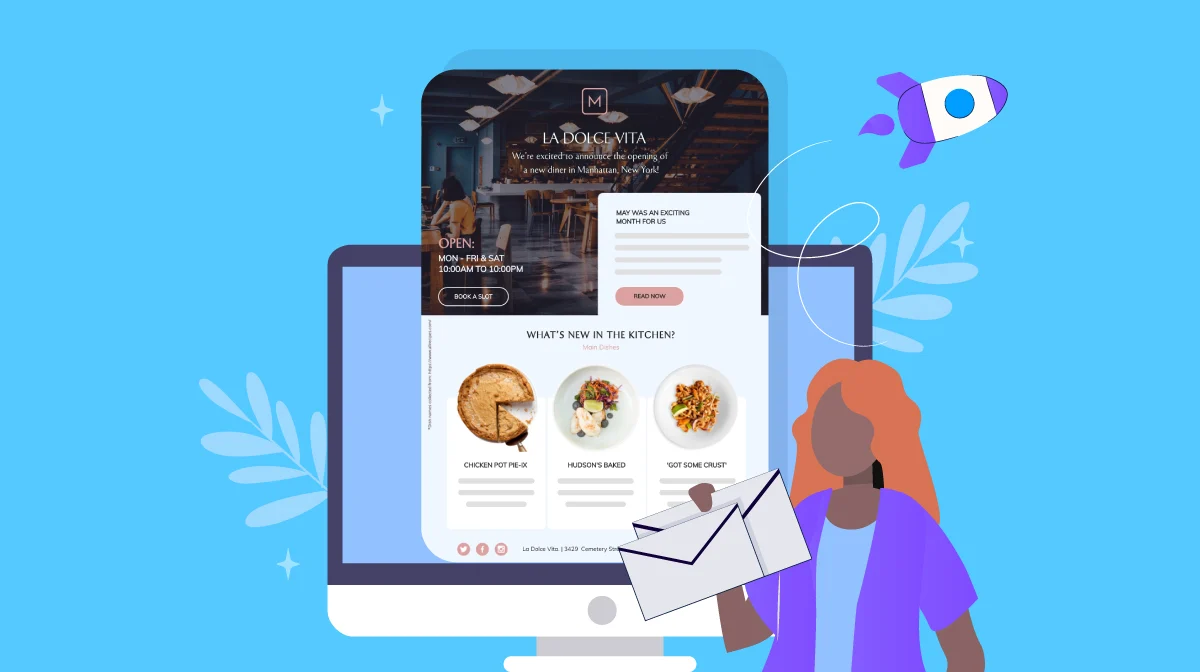
The components of high-converting email campaign assets make up the elements of an email that help trigger conversions. It is important to understand that they are not just different components. Instead, each component serves its own role and helps build a certain path through the email for the reader.
Some of the basic components of such an email include a subject line, copy, images, design, and CTA buttons. All of them create unity within an email that makes it comprehensible to the reader.
People get 392 billion emails every day. Your email is fighting for a 2-second look. To win, you must build your email campaign assets the right way.
Here are the key components:
- Subject line that grabs attention
- Clear and simple message
- Strong and visible CTA
- Clean and easy design
- Relevant visuals
Automation is Your Best Friend
Source: LamWarm
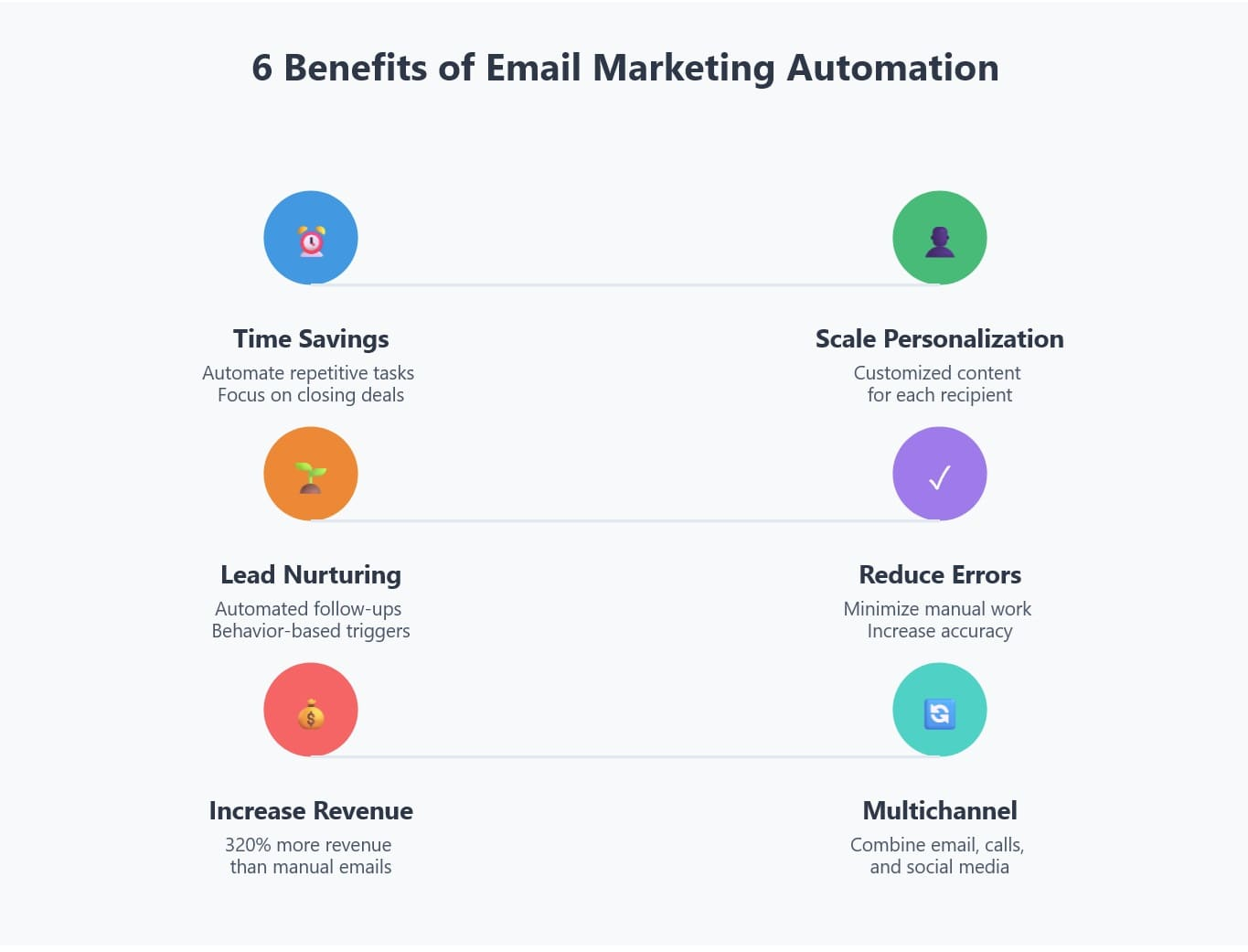
Here is the truth. Email flows (automatic emails) work 18 times better than regular campaigns. Think about it. When someone buys something or signs up, you want to talk to them right away.
Welcome emails get opened 82% of the time. That is the best chance you will ever get. Do not waste it.
Step 1: Start with a Clear Email Strategy
Source: BeeHive
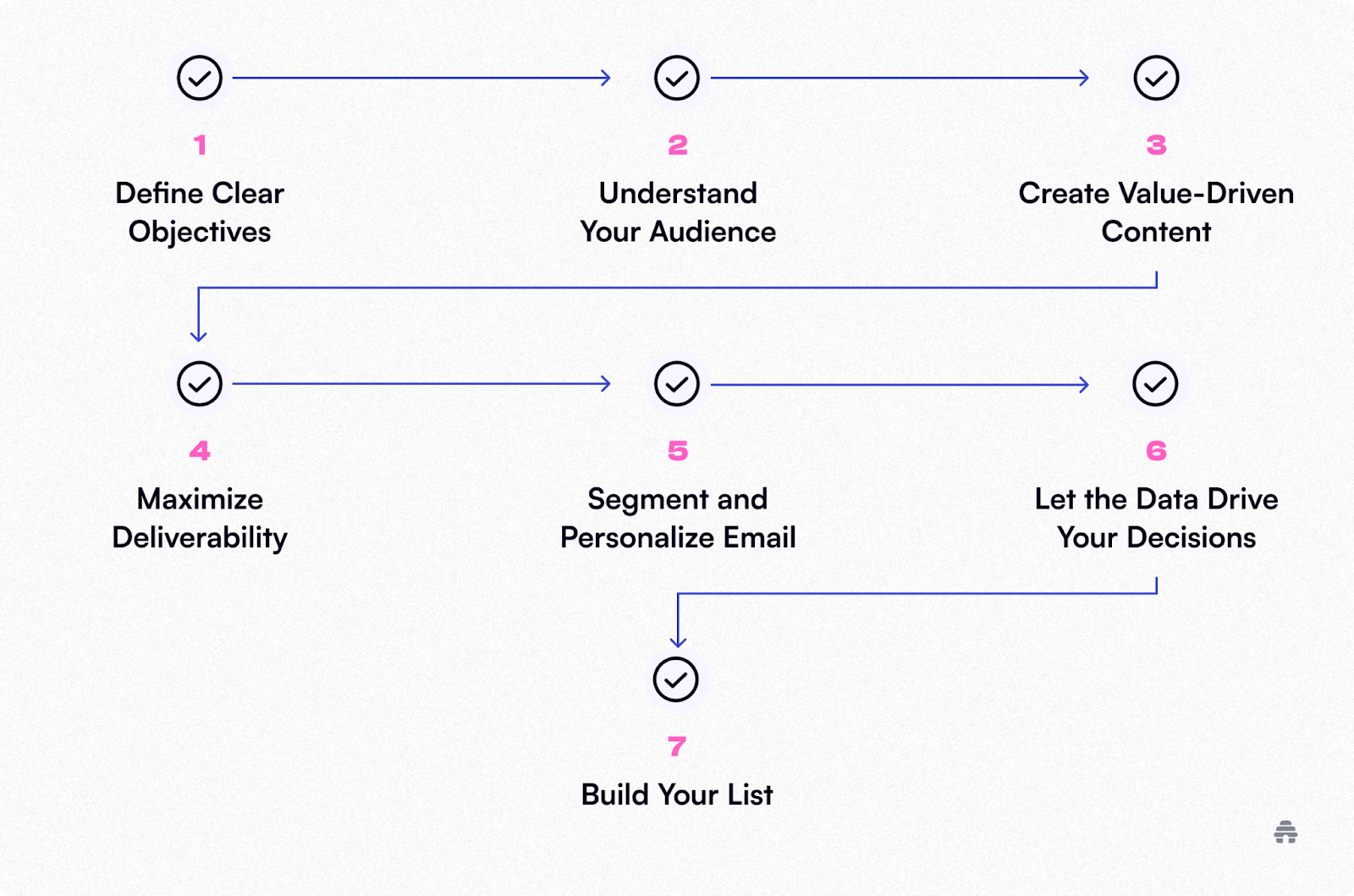
An efficient email strategy is always the core of a successful campaign. Otherwise, your emails may look random and unconvincing.
Compared to 62% of the most successful content marketers, only 16% of the least successful have a documented strategy, according to the Content Marketing Institute.
You need to define:
- Who your audience is
- What stage they are in
- What action you want
Segment Your Audience for Better Results
Segmentation is a key aspect of conversion. Rather than sending out a single email blast, you should segment your email list into smaller parts.
Common segments include:
- New subscribers
- Active users
- Inactive users
- Buyers vs non-buyers
Segmented emails perform better because they feel relevant.
Focus on One Goal Per Email
Each email should have one clear purpose. This keeps the message simple and focused.
Examples of goals:
- Get clicks
- Drive sign-ups
- Promote a product
When you focus on one goal, conversions increase.
2. Match Your Assets to the “Urgency Level”
Not all emails are the same. Some need action NOW. Some are just for fun. You must match your email campaign assets to the feeling.
The Three Speeds of Email
Think of emails like cars.
- High Urgency (The Race Car): Use SMS or Push for this. But for email, keep it short. “Your cart is leaving in 1 hour!” These emails need a big red button. No stories. Just action.
- Medium Urgency (The Sedan): This is for cart abandonment or a product browse. Send these a few hours later. Show the product picture. Add a nice review. Remind them why it is cool.
- Low Urgency (The Bus): This is your newsletter. This builds trust. Share a story.
Teach them something. Do not just sell. If you only sell, people will unsubscribe.
The Golden Handoff: If they do not open the email, try a push notification. If they still ignore you, try a text message (SMS). Different people like different taps on the shoulder.
3. Know Your Audience (Or You Lose Them)
Understanding your audience is not just about having their email addresses. That is too easy. You need to dig into the data. Find out what they like. Find out what they need. Find out how they act. When you send emails that fit their life, they open them. They click. They buy.
Here is a real example. You sell clothes. You see a group of people always buying gym shorts and sports bras. Do not send them fancy dresses. Send them your new workout gear. That makes sense, right? You send value. Not noise.
Four Smart Ways to Know Your Audience Better
Use these tricks to learn fast.
Check Purchase History
Look at what they bought last month. If someone buys dog food every 2 weeks, send a reminder when they run low.
Look at Email Engagement
See who opens your emails and who ignores you. Send different messages to each group. People who open get more news. People who ignore get a “Do you still want emails?” check-in.
Track Website Behavior
What pages do they visit? Do they look at prices? Do they read blogs? Use this data to send the right offer.
Ask Direct Questions
Send a one-question survey. “What do you want more of?” Give two buttons: “Deals” or “Tips.” Then send exactly one.
Segment Your List Like a Pro
Segmentation means cutting your big list into small groups. Each group gets a different email. This works way better than sending one email to everyone.
- Personalized Recommendations: As a bookstore, if you find that one of your subscribers purchases mystery books regularly, send him an email with the latest arrivals in the genre.
- Exclusive Offers: For a beauty brand, if a section of your target market buys skincare products, offer them an exclusive deal on a new range of such products.
- Feedback Loops: Send out feedback requests. In case one of the segments of your email list exhibits interest in eco-friendly products, you should design a campaign around that.
- Trigger-Based Messages: If one of the subscribers has a history of leaving their items in the shopping cart, you can use trigger messages to convince them to buy the product.
4. Track the Right Numbers (Stop Looking at Opens)
Many people track open rates. But in 2026, open rates are lying to you. Apple’s mail privacy protection breaks the data. An “open” might just be a robot.
Track these instead:
- Click-Through Rate (CTR): Did they click the link? This shows real interest.
- Conversion Rate: Did they buy? This is the money metric.
- ROI: Are you making $36 back for every $1 spent?
Only 60% of companies measure their email ROI correctly. The other 40% are flying blind. Do not be them. Use UTM links (special tracking codes) on every button so you know exactly who bought what.
5. Design Assets That Pop on a Phone
Did you know 41.6% of emails are opened on a phone? If your email looks bad on a phone, you lose.
Rules for phone-friendly assets:
- Big Buttons: Make them easy to tap with a thumb.
- Short Subjects: Use 30-40 characters. “Hey, you forgot this” works better than a long sentence.
- No Wide Pictures: Make pictures fit the small screen.
- 8-Second Rule: People look at an email for only 8 seconds. Get to the point.
Stop using passive voice. Say “Buy now” instead of “It is recommended to buy now.” Active voice feels stronger and more friendly.
6. Build an “Asset Library” to Save Time
To do things at scale, stop reinventing the wheel. Build a library of email campaign assets.
What to store in your library:
| Asset Type | Examples | Why You Need It |
| Subject Lines | “Your guide inside,” “Oops, fix this.” “Welcome to the fam.” | Saves time. You can mix and match for A/B tests. |
| Pre-headers | The small text next to the subject line. | It is the second thing they see. Use it to tease the deal |
| Templates | A welcome template, a sale template, a newsletter template. | Keeps your brand looking the same. Speeds up work. |
| Calls-to-Action | “Shop Now,” “Read the Story,” “Get My Discount” | Different words work for different people. Test them all. |
| GIFs and Images | Product photos, explainer GIFs. | Visuals stop the scroll. Save your best ones here. |
Pro Tip: Look at your data every month. If a subject line got a 50% open rate, save it to your library. If an image got no clicks, throw it away. Good asset libraries grow from your wins.
Conclusion: Build Smart Systems for Better Email Results
Email marketing still works, but the approach has changed. Success now depends on clarity, relevance, and timing.
When you build a scalable system, you can create better emails without extra effort. You can send more campaigns while maintaining quality.
Focus on creating high-converting email campaign assets at scale. This will help you improve performance and grow faster.
CTA: Scale Your Email Campaigns with Tangence
If your team wants to improve email performance and scale faster, Tangence can help. With the right mix of strategy, design, and automation, Tangence builds email systems that drive real results. Connect with Tangence today and start creating smarter email campaigns.
Frequently Asked Questions (FAQs)
- How many emails should I send per week?
It depends on your business. Most brands send 2 to 4 emails a week. Watch your unsubscribe rate. If too many people leave, send less. If they buy more, send more.
- What is the best day to send an email?
There is no magic day. But data from 2026 shows Tuesday and Thursday work well for many businesses. You should test different days with your own audience to see what they like best.
- How do I make sure my email is not spam?
Do not buy email lists. That is bad. Ask people to join. Put a clear “unsubscribe” link at the bottom. Use a real “from” name (like Sarah from Brand X), not “no-reply.” Real people send real emails.
- Can AI write my whole email for me?
AI is great for ideas and first drafts. 46% say AI improves speed . But you must edit it. Add your voice. Tell a real story. AI cannot feel your brand’s heart. Only you can do that.