blog
Top Motion Graphic Trends in 2026 Every Brand Should Know
If you’ve been working in motion graphics for a while, you can feel it before you can name it. Something’s shifting. The work people pause for, save, and actually remember is changing. It’s less about flashy tricks and more about feel, intent, and smart execution.
2026 is shaping up to be a year where motion design grows up a bit. Not boring. Not safe. Just… more aware. More human. More flexible.
- The motion graphics industry is experiencing significant growth, driven by increased digital content consumption, social media demand, and AI integration, projecting a strong CAGR (around 12-12.5%) through the next decade.
Let’s break down the motion graphic trends that will matter in 2026 and how you can stay ahead without burning yourself out or chasing every shiny new tool.
1. Imperfect, Human Motion Is Back (and People Love It)
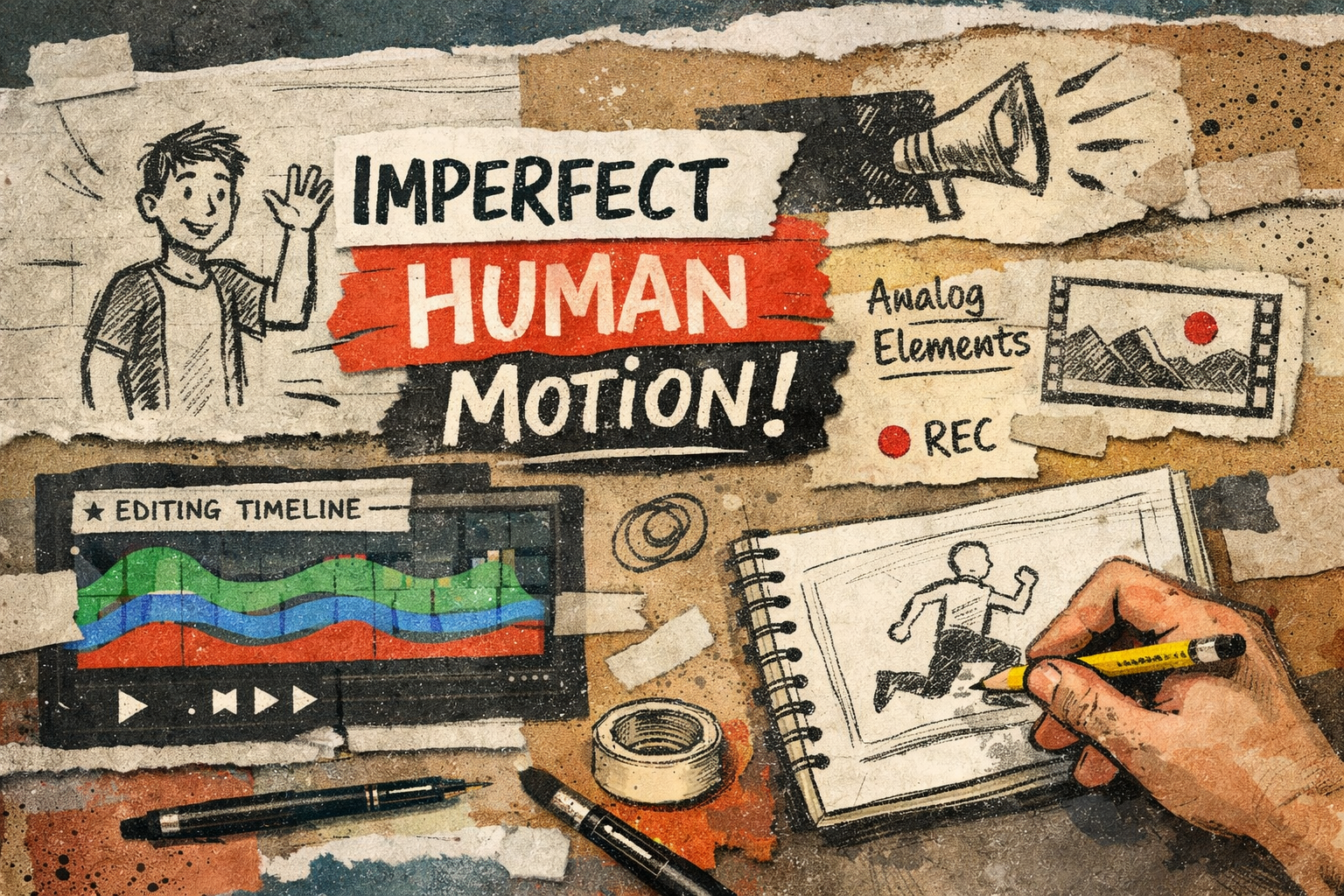
After years of ultra-clean animations, we’re swinging back to work that feels touched by a real hand. Think uneven lines, slight jitter, paper textures, grain, scribbles, and collage-style motion.
Why now? Because AI has made perfection cheap. When everything looks smooth and flawless, imperfection becomes the signal of authenticity.
You’ll see this style everywhere, from a motion graphic agency, brand explainers to social ads, because it feels honest. You may have seen simple hand-drawn motion outperform polished 3D spots on Instagram more times than I can count.
What to do now: Build texture libraries. Animate with subtle randomness. Let things breathe. Perfect is no longer the goal.
2. 2D + 3D Hybrids Become the Default
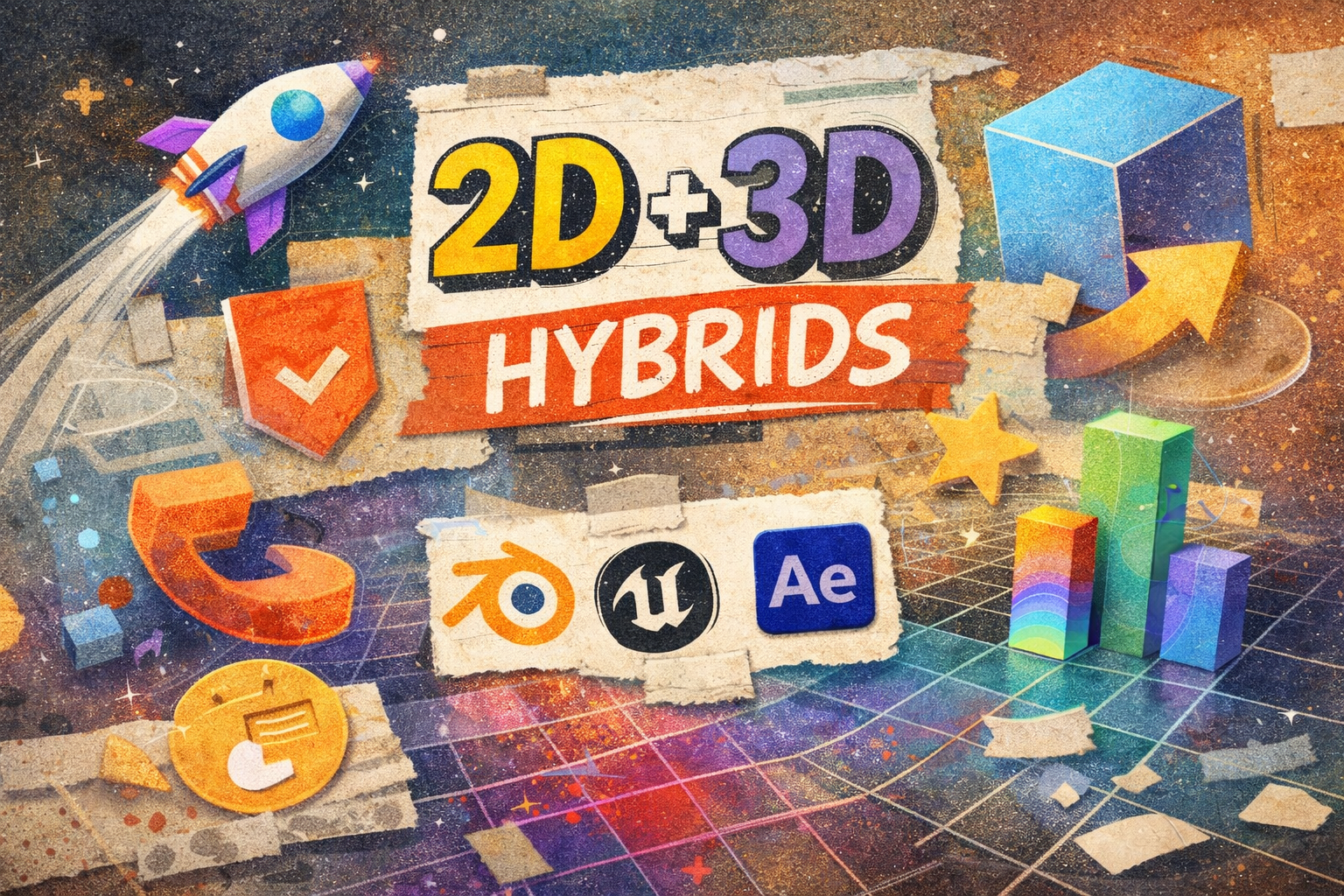
Pure 3D isn’t going away, and neither is flat 2D. But 2026 belongs to the in-between.
- Designers are mixing flat shapes with soft 3D depth, simple extrusions, parallax, and lighting tricks.
- The result feels rich without being heavy or slow to render.
This trend exists because tools have caught up. Blender, Unreal, and even After Effects workflows make it easier to add depth without turning your project into a technical nightmare.
What to do now: Learn just enough 3D to add dimension. You don’t need Pixar-level skills just shadows, depth, and perspective.
3. AI Becomes a Silent Partner, Not the Star
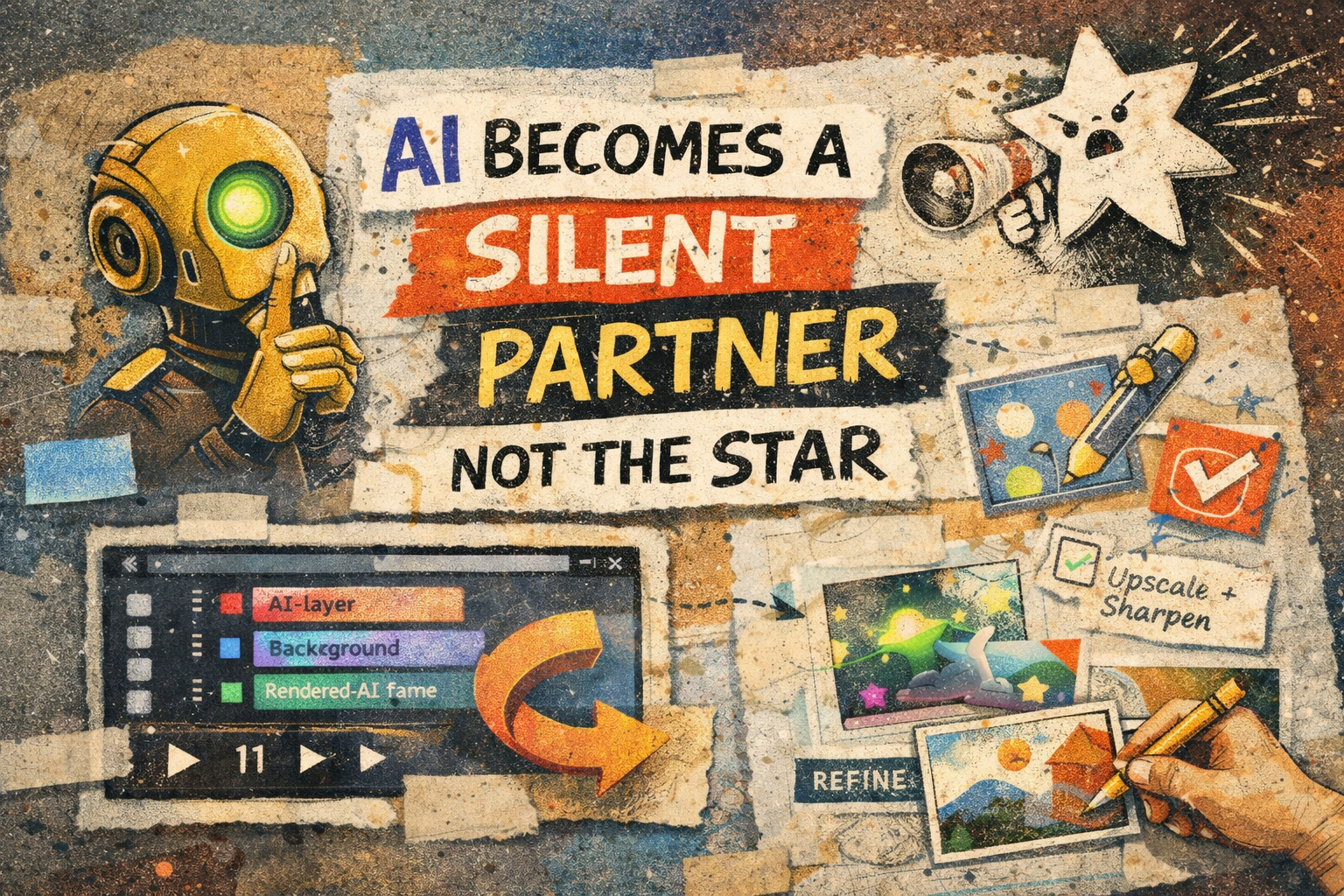
By 2026, using AI in motion design won’t be controversial or impressive. It’ll be normal. So, the motion graphic agency is giving it priority.
AI is already handling rotoscoping, background cleanup, upscaling, style variations, and concept exploration. The key shift is that designers are no longer advertising it. They’re just using it quietly to work faster.
The best work won’t look AI-made. It’ll just look well-crafted.
What to do now: Use AI for prep and polish, not for creative decisions. Let it save time, not replace taste.
4. Motion Gets Interactive (Not Just Watched)
Motion graphics are no longer just videos you press play on. They scroll, react, load, respond, and adapt.
Web animations, Lottie files, app micro-interactions, and lightweight AR effects are becoming core brand assets. Clients want motion that does something, not just something that looks good.
This shift is driven by product design, not advertising. Motion now lives inside apps, dashboards, and interfaces.
What to do now: Start thinking in states: idle, hover, active, exit. Motion isn’t linear anymore.
5. Personalization Without the Creep Factor
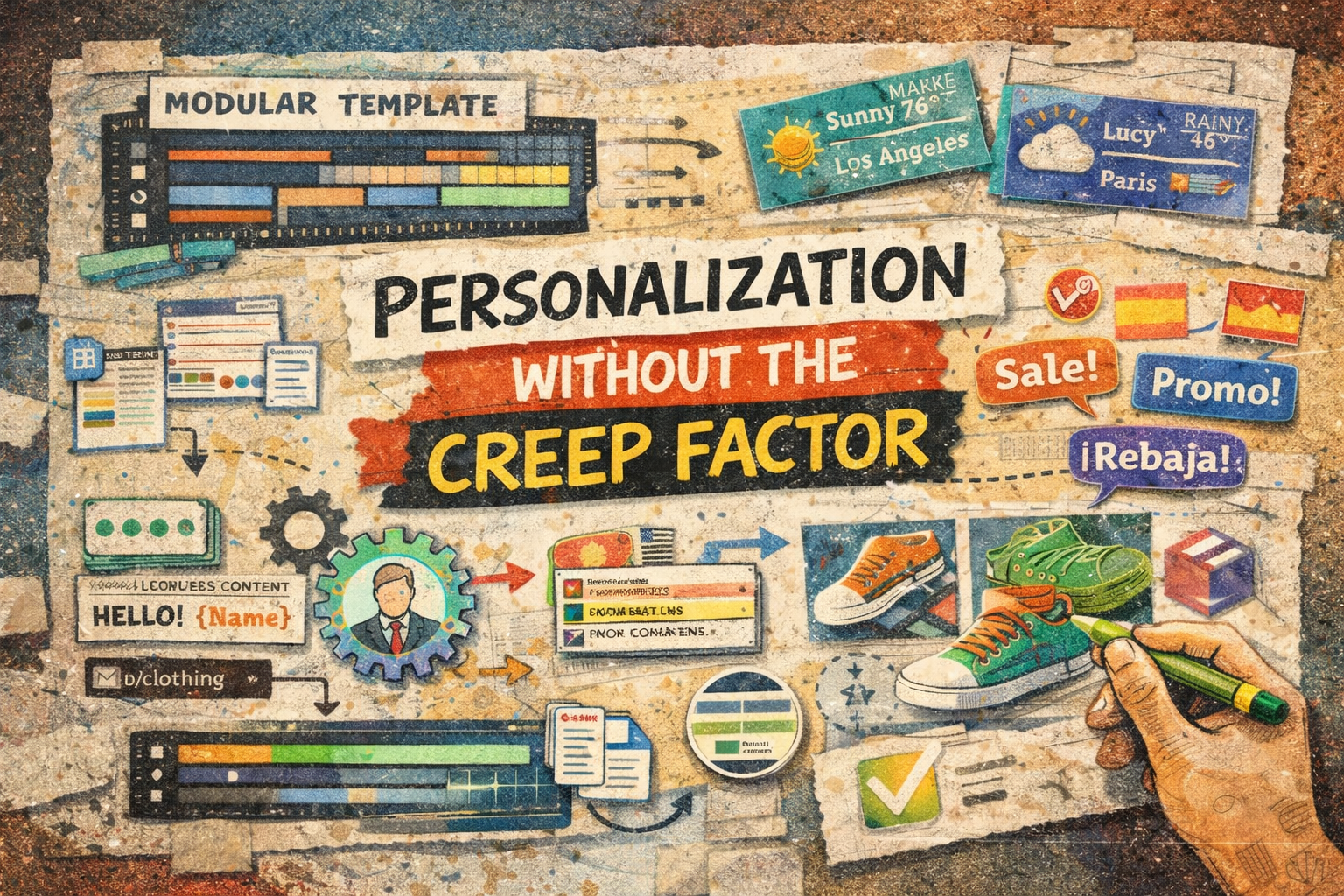
Personalized motion is growing fast but subtlety matters.
We’re talking about names, locations, colors, product variations, and language changes that feel helpful, not invasive. The best examples feel thoughtful, not stalker-ish.
Templates and systems that allow quick personalization will dominate, especially for brands producing high volumes of content.
What to do now: Contact a popular Motion Graphic Agency and ask them to design modular animations. One core system, many outputs. Flexibility beats complexity.
6. Faster, Lighter, More Efficient Motion
Here’s a trend no one glamorizes but everyone feels.
Clients want faster turnarounds. Platforms want lighter files. Teams want fewer render crashes. Efficiency is becoming a design value.
Sustainability isn’t just about being “green.” It’s about smarter pipelines, fewer wasted renders, and motion that loads fast on real devices.
What to do now: Optimize early. Test on low-end devices. Build preview modes. Your future self will thank you.
7. Soft Cinematic Color and Ambient Gradients
Harsh contrasts are cooling off. In their place: soft glows, cinematic color palettes, smooth gradients, and light that feels atmospheric rather than dramatic.
This style works beautifully with both 2D and 3D motion and feels modern without screaming for attention.
It’s subtle, but it sticks.
What to do now: Study film lighting and color grading. Motion design is borrowing more from cinema than ever.
8. Typography Takes Center Stage
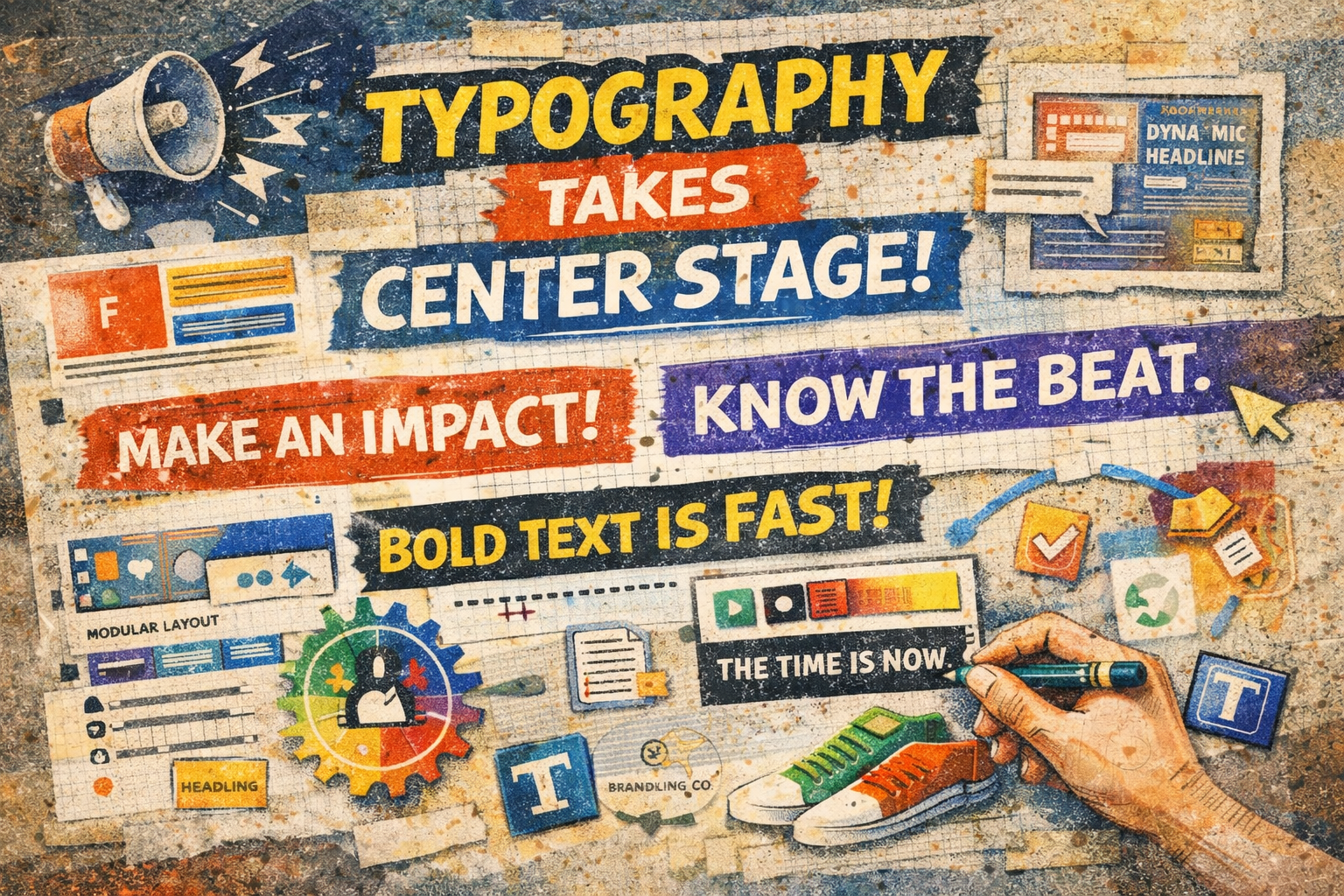
Kinetic type is doing more of the heavy lifting in motion projects. Bold fonts, modular grids, and strong text rhythm carry entire narratives.
This makes sense. Text is fast to localize, easy to personalize, and perfect for short-form platforms.
Some of the strongest motion work I’ve seen lately is just type, timing, and confidence.
What to do now: Sharpen your typing skills. Motion typography is no longer optional.
The Big Picture: What 2026 Is Really About
If you zoom out, all these trends point to the same idea:
Motion graphics in 2026 are less about showing off tools and more about creating systems that feel human, flexible, and useful.
The winners won’t be the designers chasing every trend. They’ll be the ones building smart foundations, modular workflows, adaptable styles, and motion that works everywhere.
And honestly? That’s a good thing. It means less noise, more intention, and work that actually connects.
If you’re building motion for the future, look for a reliable motion graphic agency that can help you build it like a human. The tech will take care of itself.